

RICS Home Survey Levels Explained (1, 2, and 3)
The Importance of a UK Property Survey
A property survey is a crucial “health check” for a house you’re considering buying. It’s different from a mortgage valuation carried out for the lender, which is a brief inspection for their purposes only. A proper survey gives you, the buyer, a detailed report on the property’s condition, helping you make an informed decision and potentially saving you thousands of pounds in future repair costs.
Why RICS Home Surveys Matter and What They Cover
Buying a property in the UK is one of the biggest financial commitments you will make. A RICS Home Survey helps you understand the condition of the property before you exchange contracts. The Royal Institution of Chartered Surveyors (RICS) sets the standard for these reports and explains what each survey level involves. For this reason, each level of survey offers a different depth of inspection, so choosing the right one depends on the property’s age, condition, and complexity.
What All RICS Surveys Provide
No matter which level of RICS survey you choose, you will always get a professional inspection carried out by a qualified surveyor. Every RICS report follows a structured format that makes it easier for buyers to understand the condition of a property.
Here’s what you can expect in every RICS survey:
- Visual inspection of accessible areas
The surveyor will look at all parts of the property they can reasonably access, such as walls, floors, ceilings, roofs, windows, and doors. They do not open up structures or move heavy furniture, but they will check for visible signs of defects. - Assessment of major defects or risks
Any serious issues that could affect the safety, structure, or value of the property are highlighted. Examples include damp, rot, subsidence (ground movement that causes cracks in walls and foundations), roof problems, or outdated electrics. - Advice on repairs and ongoing maintenance
Your survey report will suggest what action you should take, from urgent repairs to long-term maintenance. This gives you an idea of future costs and responsibilities once you own the home. - Traffic light condition ratings
To make reports easier to read, RICS applies a traffic light ratings system in its official standards:- Green: No significant issues. The area is in good condition.
- Amber: Attention is needed, but not urgent. Repairs or maintenance may be required in the future.
- Red: Serious or urgent problems that should be dealt with immediately.
- Structured overview of the property’s health
A combination of detailed observations and the traffic light system gives you a straightforward way to judge the property. You can quickly see which areas are fine, which may need attention, and which require urgent work.
This standardised approach makes RICS surveys reliable and easy to compare. Whether you are a first-time buyer or an experienced investor, the traffic light ratings give you confidence in understanding the risks before making such a big financial decision.
When to Get a RICS Survey
You should arrange a survey after your offer has been accepted as you’ll may need to factor your survey results into the conveyancing process. According to RICS research on why you should get a survey, around 80% of buyers who skip this step face unexpected repair bills later. In many cases, survey findings can also support renegotiating the purchase price if significant issues are identified.
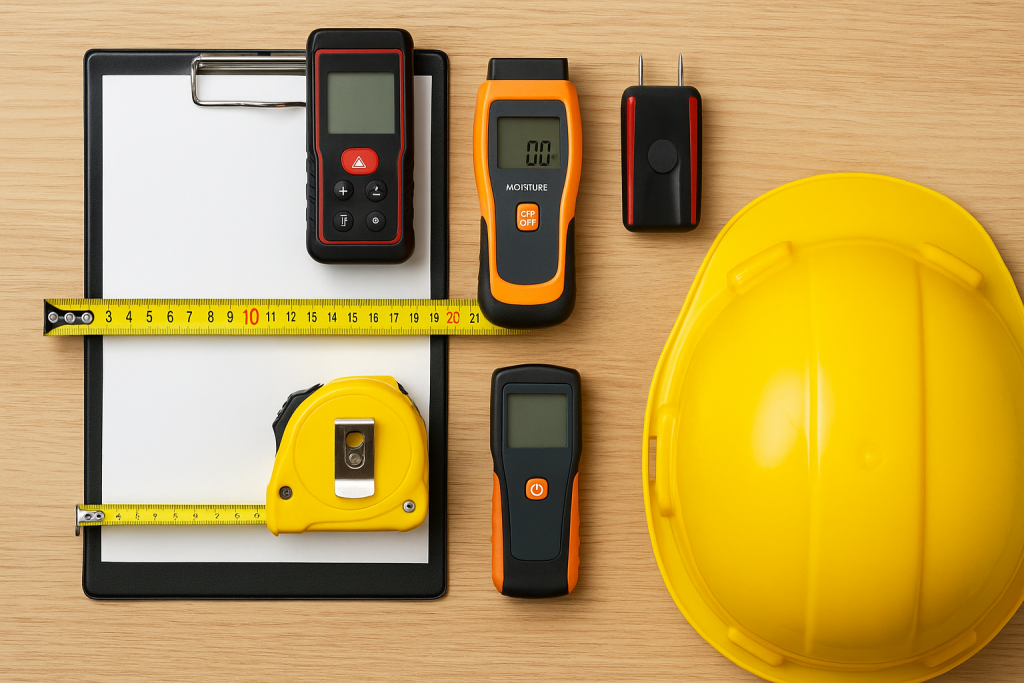
Level 1, Level 2, and Level 3 Surveys Explained
RICS Home Survey Level 1
This is the most basic survey offered by RICS and provides a snapshot of the property’s condition.
Who it’s for:
- Newer properties
- Homes built using standard construction
- Houses or flats in generally good condition with no obvious problems
What it covers:
- Visual checks only
- Focuses on the overall condition of accessible areas such as walls, floors, ceilings, and roofs
- Clear traffic light ratings to flag condition of each element
What it does not include:
- No testing of services such as electrics, gas, or plumbing
- No detailed advice on repairs, costs, or maintenance
- No valuation unless separately requested
Format:
- Short report, usually concise and easy to read
- Designed to give reassurance that no significant issues are present
When to choose Level 1:
If you are buying a recently built flat or house with no obvious defects, this survey provides peace of mind without going into unnecessary depth. It confirms the property appears sound but will not give detailed guidance.
RICS Home Survey Level 2
This is the most popular choice for homebuyers across England and Wales. It balances detail with cost and is suitable for the majority of properties.
Who it’s for:
- Conventional houses and flats
- Properties built in the last 100 years
- Homes in reasonable condition without major alterations
What it covers:
- Identifies visible defects such as damp, cracking, and roof problems
- Assesses potential risks, urgent issues, and need for maintenance
- Reviews key elements:
- Roof, walls, floors, windows, and doors
- Heating, drainage, insulation, and ventilation systems
Extras included in some Level 2 surveys:
- Some Level 2 reports also include an independent valuation and a rebuild cost for insurance purposes (known as reinstatement cost), which helps ensure you have the right level of cover
Report length and detail:
- More detailed than Level 1, often 25 to 40 pages
- Includes a summary of risks and recommendations for repairs
When to choose Level 2:
If you are buying a conventional property such as a semi-detached house, terraced home, or flat in good condition, Level 2 is usually the best fit. It gives you practical information without overwhelming technical detail.
RICS Home Survey Level 3
This is the most comprehensive survey available and provides an in-depth look at the property’s structure and condition.
Who it’s for:
- Level 3 surveys are often used for older homes such as Victorian or Edwardian properties, or for listed buildings that need specialist attention
- Properties built with unusual materials or methods
- Homes that require renovation
What it covers:
- Full structural assessment and detailed inspection of accessible areas
- Identifies not only defects but also the causes of those defects
- Provides repair options, estimated timescales, and potential costs
Report length and detail:
- The longest and most detailed RICS survey
- Includes technical explanations and professional guidance for planning repairs and renovations
When to choose Level 3:
If you are buying an older or complex property, planning major works, or investing in a high-value or listed home, this survey is the safest choice. It equips you with the detail needed to budget properly and avoid expensive surprises.
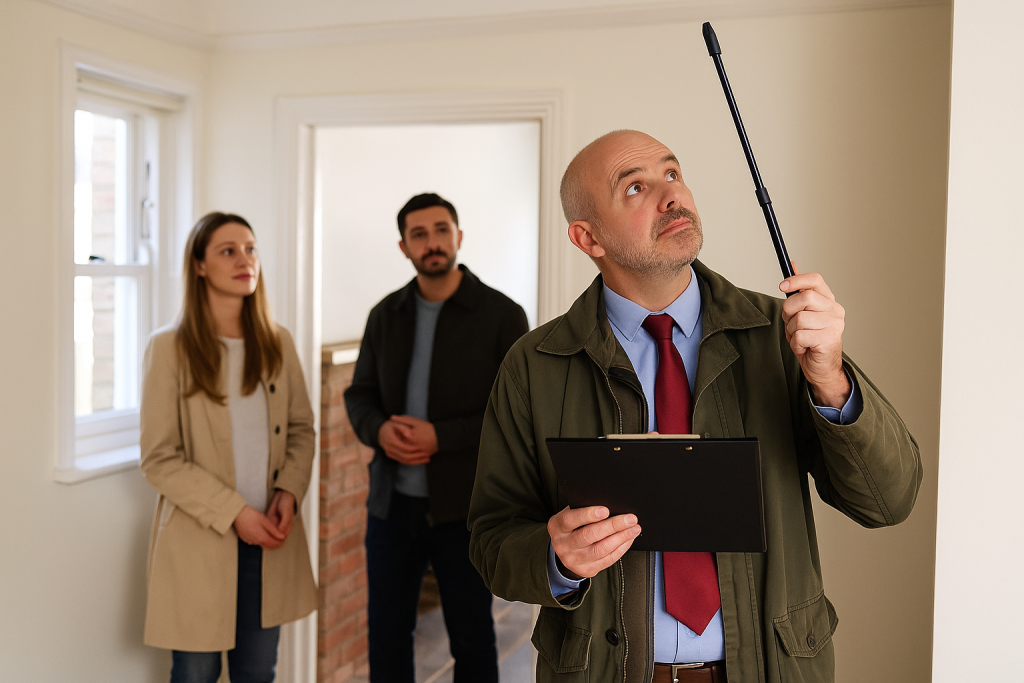
Choosing the Right Survey and Making Use of the Report
How to Decide Which Survey Level to Choose
Choosing the right survey comes down to the age of the property, its condition, and how confident you feel about handling building issues.
Level 1: Condition Report
- Best for new-build homes or modern flats
- Gives a simple overview, suitable when you don’t expect problems
Level 2: HomeBuyer Report
- Suitable for most standard houses or flats built after 1900
- Ideal if the property looks in reasonable condition but you want reassurance and practical advice
Level 3: Building Survey
- Recommended for older, listed, or heavily altered properties
- The right choice if you’re considering renovations or buying a home with unusual construction
If you are unsure, speak to your mortgage lender, solicitor, or even the surveyor before booking. They can explain which level matches your property type. Remember, though, the choice is ultimately yours. Think of it as your personal safety net and pick the level that gives you the confidence to move forward without unexpected risks.
Making the Most of Your Survey Report
Once you receive the report, use it actively instead of letting it gather dust. Here’s how:
- Read the traffic light ratings carefully to see where urgent problems lie and where future maintenance is needed.
- Get quotes from builders or specialists if the report highlights costly repairs such as roof work, damp treatment, or structural issues.
- Use the findings to renegotiate – if repairs will cost thousands, you have strong grounds to ask for a price reduction or for the seller to fix issues before completion.
- Plan your future budget – even if problems are not urgent, you’ll know what to expect in the coming years.
- Ask your surveyor questions – many will explain the report in a follow-up call. This helps you understand technical terms and prioritise repairs.
Having a survey is more than a box-ticking exercise. It’s a tool you can use to save money, reduce risk, and plan with confidence.
How to Use the Survey Report
Your survey report is not just a document to skim once and file away. It’s a tool to help you make better decisions both before and after you buy. Here’s how to use it effectively:
- Review all red and amber ratings carefully
- Red ratings mean urgent problems that need immediate attention.
- Amber ratings highlight issues you’ll need to deal with in the future.
As a result, you should focus on these sections first, as they have the greatest impact on cost and safety.
- Ask the surveyor for clarification
Survey reports often use technical terms. If something is unclear, ask the surveyor to explain in plain language. Many offer a follow-up call to go through the findings. - Use the findings to renegotiate
If the survey highlights expensive repairs, you are in a strong position to:
- Request a price reduction
- Ask the seller to fix the problem before exchange
- Adjust your offer to reflect the true cost of the property
- Budget for future repairs
In addition, amber items are not urgent, but they still matter. Knowing you’ll need to replace windows, upgrade electrics, or improve insulation in a few years helps you plan financially. - Keep the report as a maintenance guide
Your survey isn’t just useful during the purchase. Keep it after you move in and use it as a checklist for ongoing maintenance. This ensures small issues don’t turn into bigger, costlier problems later.
Example Scenarios
- For instance, if a Level 2 survey finds damp or roof issues:
You can get contractor quotes before proceeding, then use the information to negotiate a lower price or ask for repairs. - Level 3 survey shows structural movement:
This is a serious concern. You may choose to walk away, or if you want to proceed, negotiate a significant discount to cover repairs.
Common Issues Highlighted in RICS Surveys
When surveyors carry out inspections across the UK, certain problems come up time and again. Knowing these in advance helps you understand why surveys are such a valuable step.
The most frequent issues include:
- Damp and timber decay
Issues like damp and timber decay are common in older houses, and the Property Care Association offers detailed damp guidance for homeowners. This can happen when ventilation in the property is poor or moisture has built up. Damp can damage walls, floors, and timber, leading to expensive repairs if ignored. - Roof defects
Slipped or cracked tiles, blocked gutters, and poor insulation are among the most common roof problems. Left untreated, roof issues can lead to leaks and further structural damage. - Outdated electrical systems
Many properties still have wiring that does not meet modern standards, and Electrical Safety First provides advice on home electrical safety. This can be a fire risk and usually means a full or partial rewire is needed. - Drainage problems
Blocked or damaged drains may not be visible during a quick viewing but often show up in a survey. Poor drainage can cause damp, flooding, and damage to foundations. - Windows and doors
Older single-glazed or rotting frames reduce energy efficiency and security. Replacement with modern, double-glazed units is often recommended.
Key Takeaways for Buyers
- Always arrange a survey before exchange of contracts. This is your opportunity to uncover problems before you are legally committed.
- Choose the survey level that fits the property’s age and type. A newer flat will not need the same depth of inspection as a Victorian terrace.
- Use the findings to protect your investment. Whether that means renegotiating the price, asking the seller to carry out repairs, or budgeting for future maintenance, the report gives you leverage and confidence.
- For a full overview of the steps involved in the home buying process, see our Buying Your Home Guide
Buying a home is one of the biggest financial steps you will ever take, and a property survey gives you the confidence to move forward without blind spots. Whether you choose a Level 1, Level 2, or Level 3 survey, the key is matching the right option to your property’s age, style, and condition.
A survey will not only flag urgent repairs, it will also help you budget for future maintenance and protect your investment. With clear traffic light ratings, professional advice, and the reassurance of using a RICS-registered surveyor, you’ll know exactly what you’re committing to before exchange.
Think of the survey as your safety net. Spending a few hundred pounds now could save you thousands later. Arrange your survey early, use the report to guide negotiations, and keep it as a reference once you move in.
If you’re ready to take the next step, start by getting quotes from local RICS surveyors and choose the level that gives you peace of mind. It’s a small step that makes a big difference when securing your future home. You can get surveyor quotes here.


